
A finished chair can look simple.
Four legs.
A frame.
A seat.
A back.
But simplicity is often the result of complexity being carefully resolved.
Behind a handcrafted chair is a process of material selection, proportion, construction, finishing, and human judgment.
It Starts With the Material
Before a chair takes shape, the material needs to be understood.
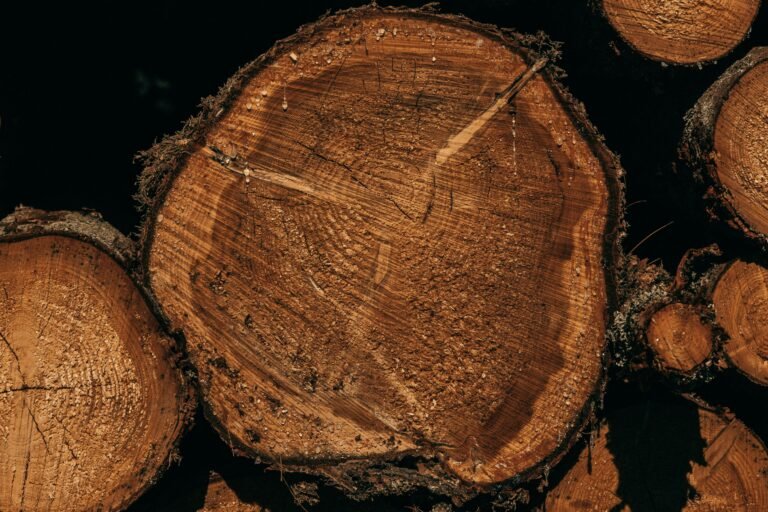
For timber, that means examining grain, density, moisture, and natural characteristics.
The maker considers which part of the wood is appropriate for each component.
The material is not simply cut into shape.
It is interpreted.
From Drawing to Form
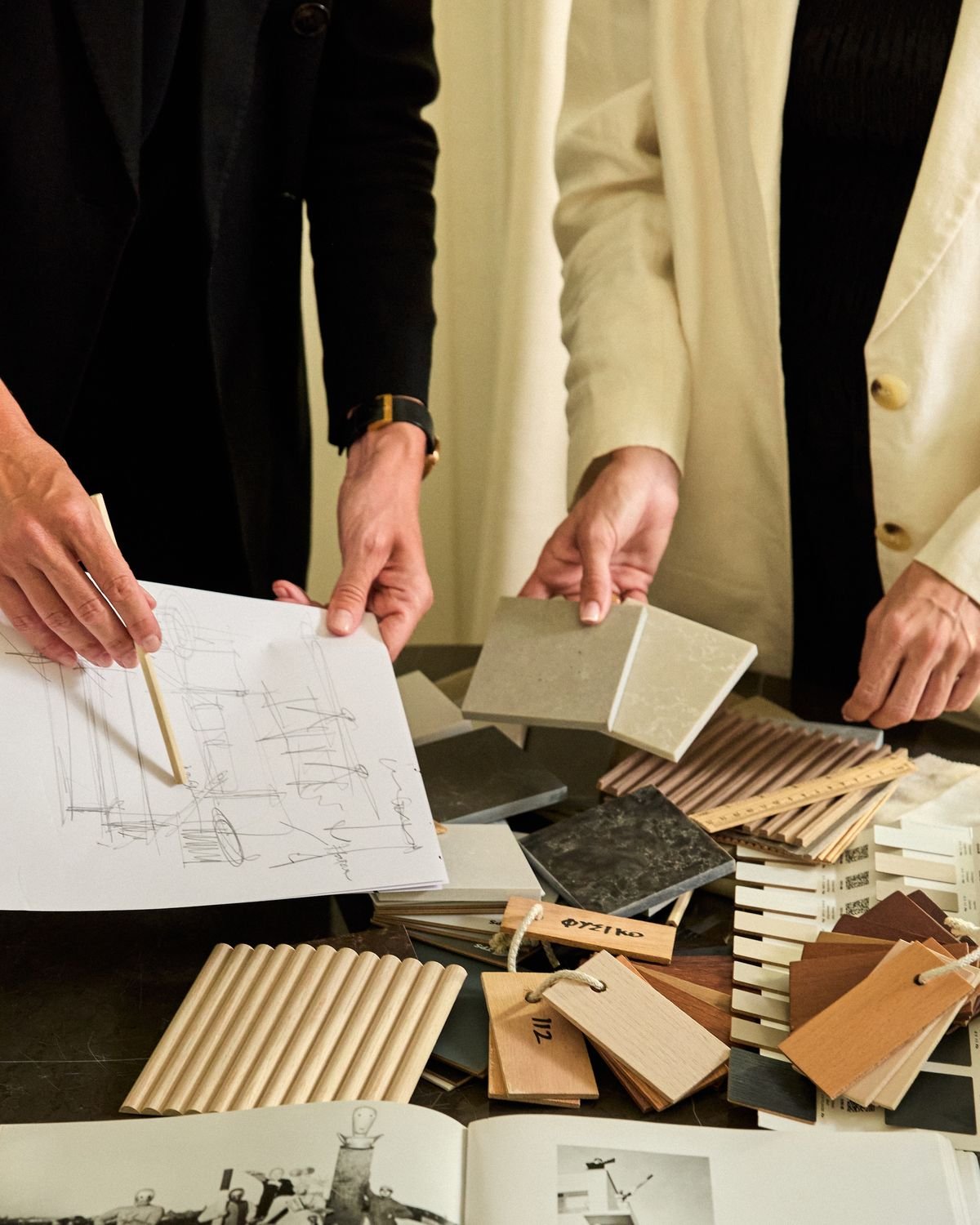
A design may begin as a sketch or digital drawing.
But the physical material introduces realities that cannot always be predicted on a screen.
The thickness of a component.
The flexibility of a joint.
The curve of the back.
The balance of the frame.
This is where craftsmanship becomes part of the design process.
The Importance of Proportion
A chair is an exercise in millimeters.
A few centimeters can change the entire experience.
Seat height affects posture.
Seat depth affects comfort.
Back angle affects support.
Armrest height affects movement.
The chair needs to be visually balanced while responding naturally to the human body.
Shaping by Hand
Even when modern machinery is involved, handcrafted furniture still depends heavily on human judgment.
Edges are refined.
Curves are adjusted.
Surfaces are sanded.
Joints are checked.
The maker constantly looks, touches, and evaluates.
Machines can reproduce measurements.
They cannot replace every decision.
The Weaving
When rattan or another woven material is introduced, another layer of craftsmanship begins.
The weave needs consistent tension.
The pattern needs rhythm.
The material needs to sit naturally within the frame.
Small variations are inevitable—and often desirable.
They remind us that the chair was made by people, not simply assembled by machines.
Finishing the Piece
Finishing is not merely about appearance.
It protects the material and determines how the surface feels.
A good finish allows the natural character of timber to remain visible while providing the appropriate level of protection for its intended environment.
The final surface should invite touch.
Quality Is in the Details
Most people will never see the internal decisions that went into a handcrafted chair.
They may never notice a carefully executed joint.
They may never know how many hours were spent refining a curve.
But they will feel the result.
The chair feels stable.
The proportions feel natural.
The surface feels good.
The object feels considered.
That is the quiet power of craftsmanship.
More Than a Chair
A handcrafted chair is not simply an object produced from wood and woven material.
It is the result of a relationship between design, material, tools, and human hands.
At Internesia, we believe that relationship is what gives furniture its character.
Because when a piece is made with intention, you can feel it—even when you cannot immediately explain why.