
The best dining spaces do something quietly important.
They make people stay.
One more conversation.
One more drink.
One more story.
While food may bring people to a restaurant or dining table, the environment often determines how the experience feels.
And furniture plays a surprisingly important role.
Comfort Comes First
A dining chair should look beautiful.
But it should also disappear beneath the experience.
The right seat height. The right back angle. The right depth. The right amount of support.
These details are rarely noticed when they are right.
But they become impossible to ignore when they are wrong.
The Relationship Between Table and Chair
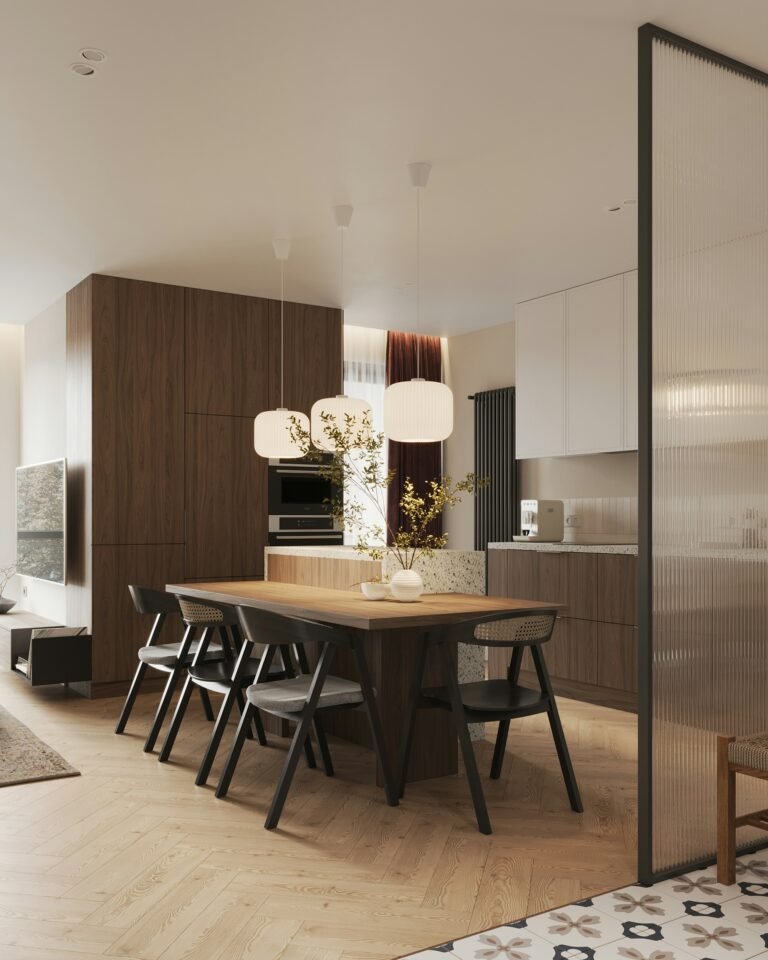
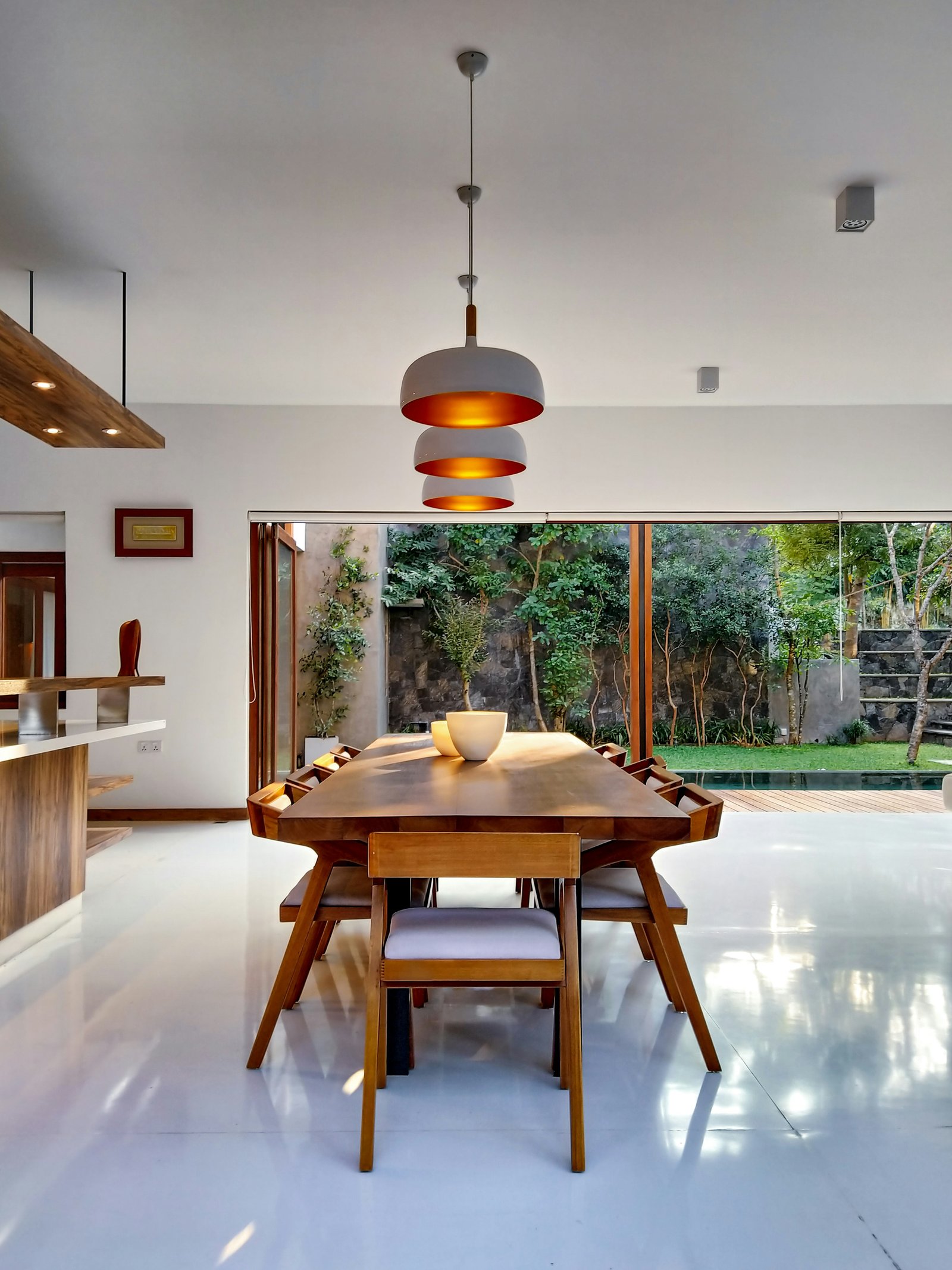
A dining table should never be considered independently from its chairs.
Their proportions need to work together.
Armrests need clearance.
Legs need enough space.
The tabletop should sit at a comfortable height.
The distance between guests should encourage conversation without making the table feel crowded.
Good dining furniture is essentially a study in proportion.
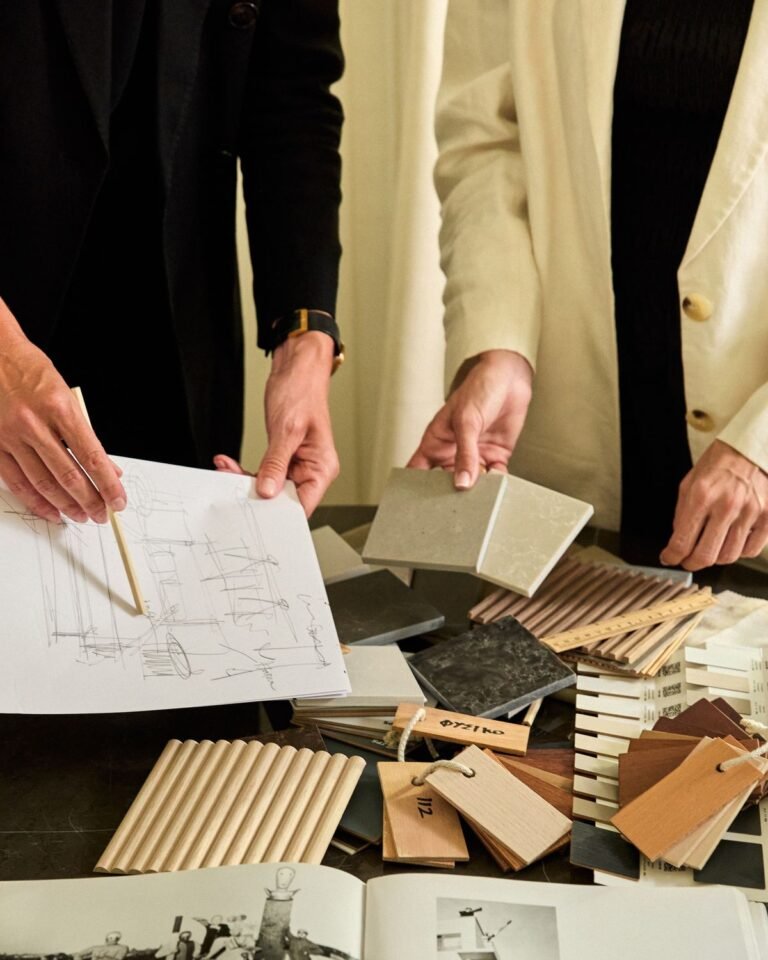
Materials Shape the Mood
A dark timber dining table creates a different atmosphere from a pale oak table.
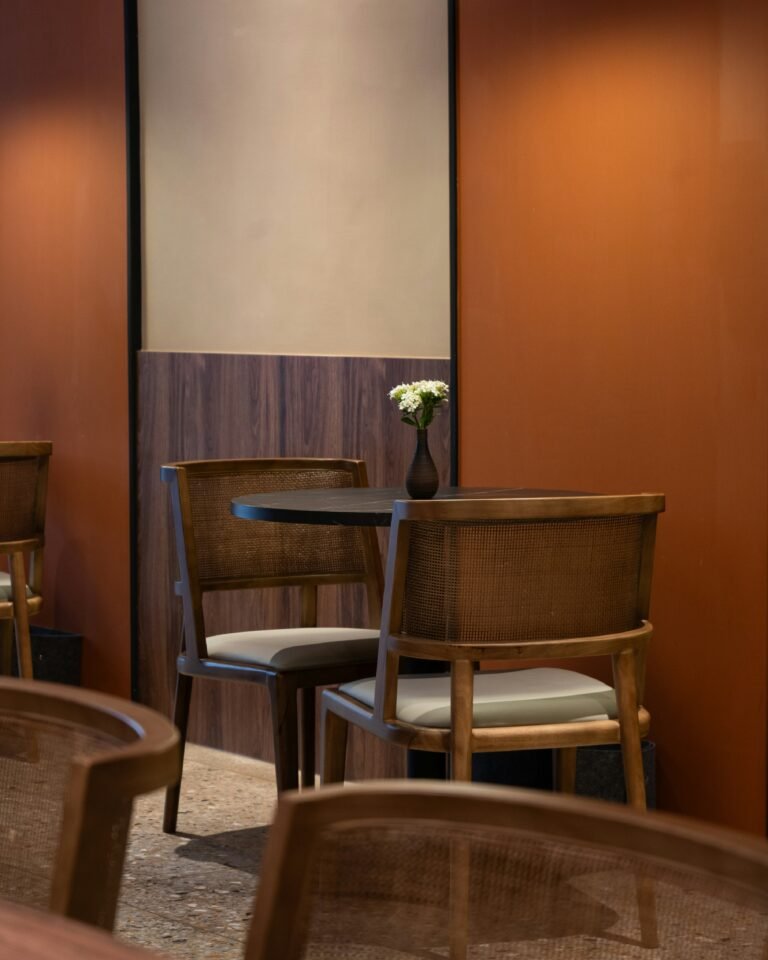
Rattan introduces softness.
Stone creates solidity.
Upholstery adds comfort.
Metal can introduce structure and contrast.
The choice of materials becomes part of the restaurant’s personality.
Give People Reasons to Linger
A dining space can encourage longer stays through small design decisions.
Comfortable chairs.
Warm lighting.
Appropriate table sizes.
Acoustic consideration.
Enough personal space.
A visual connection between tables and the surrounding architecture.
None of these elements need to be dramatic.
Together, they can completely change the experience.
Designing for Conversation
Dining is social.
Furniture should support that.
Round tables naturally encourage interaction.
Smaller rectangular tables can create intimacy.
Communal tables create energy.
Lounge seating can extend the experience beyond the meal itself.
The shape of furniture influences how people communicate.
When Furniture Becomes Part of the Brand
The strongest restaurants often have furniture that feels inseparable from the identity of the space.
It may be a signature chair.
A distinctive timber profile.
A custom banquette.
A particular rattan weave.
These details become visual memories.
Customers may not know the name of the design element.
But they remember how the space felt.
Designing for the Long Term
Restaurant furniture works harder than residential furniture.
It needs to handle constant use while maintaining its character.
That means material selection, construction, joinery, finishing, and maintenance all matter.
Beautiful furniture is only successful when it can survive the life it was designed for.
At Internesia, we approach dining furniture as part of the complete spatial experience.
Because a good dining space does not simply accommodate people.
It gives them a reason to stay.