
Some materials are chosen because they look beautiful.
Teak is different.
It is valued not only for its appearance, but for its character.
Warm, durable, naturally expressive, and deeply connected to Southeast Asian craftsmanship, teak has been used in furniture for generations.
Every Board Is Different
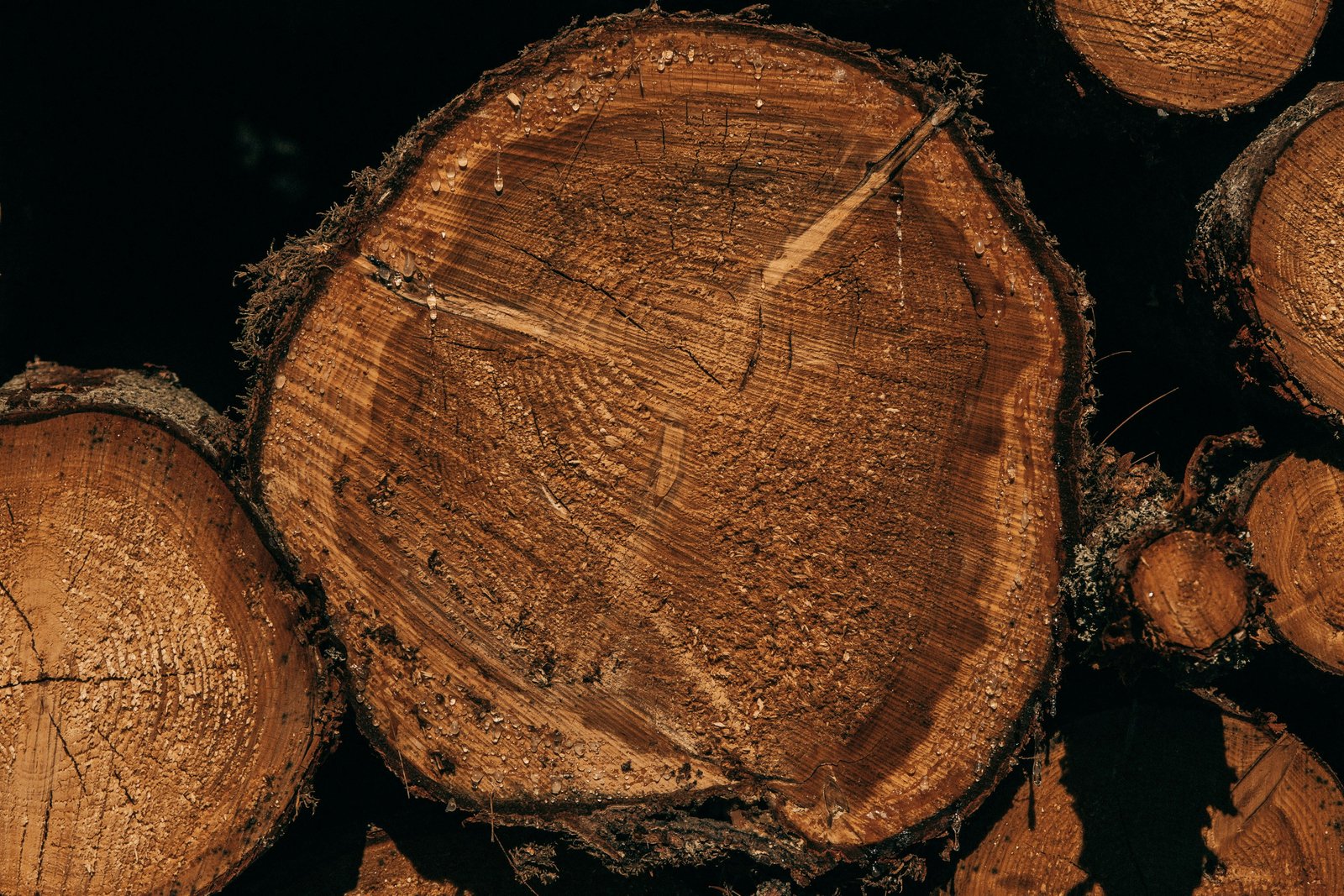
The beauty of teak begins with its grain.
Some boards are straight.
Others reveal more expressive patterns.
The tone can range from warm honey to deeper brown, with natural variations appearing across the surface.
These differences are part of the material’s identity.
They are one reason handcrafted teak furniture never feels completely anonymous.
Built for Real Life
Teak is naturally durable and has traditionally been valued for demanding environments.
Its natural oils contribute to its resistance to moisture and help the material withstand everyday use.
For furniture makers, this makes teak particularly versatile.
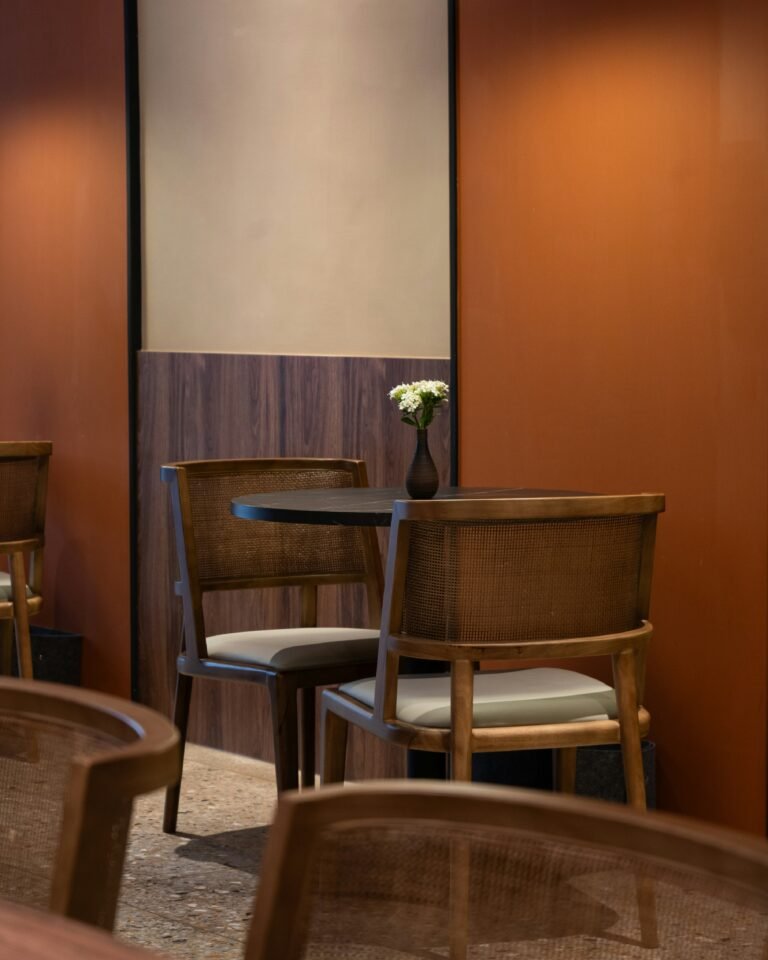
It can be used for dining tables, chairs, cabinets, benches, outdoor pieces, and architectural elements.
The Beauty of Aging
One of teak’s most interesting qualities is that it changes.
Freshly finished teak can have a warm, rich appearance.
Over time, exposure to light and use can deepen or soften its character.
Rather than losing its beauty, the material can develop a patina.
This relationship with time is part of what makes teak feel timeless.
Craftsmanship Matters
Good teak is not enough to create good furniture.
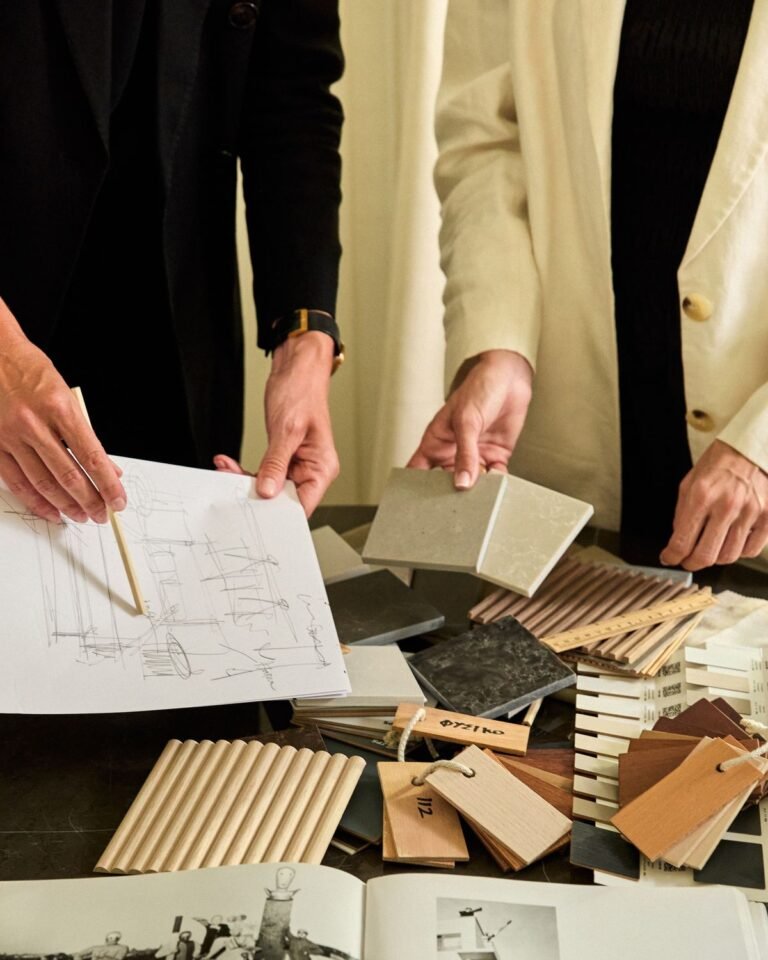
The material needs to be properly selected, dried, joined, shaped, sanded, and finished.
The quality of the craftsmanship determines how the material ultimately behaves.
A beautiful piece of teak can be undermined by poor construction.
Conversely, thoughtful craftsmanship can reveal qualities in the timber that might otherwise go unnoticed.
Teak in Contemporary Design
Teak is sometimes associated with traditional or rustic furniture.
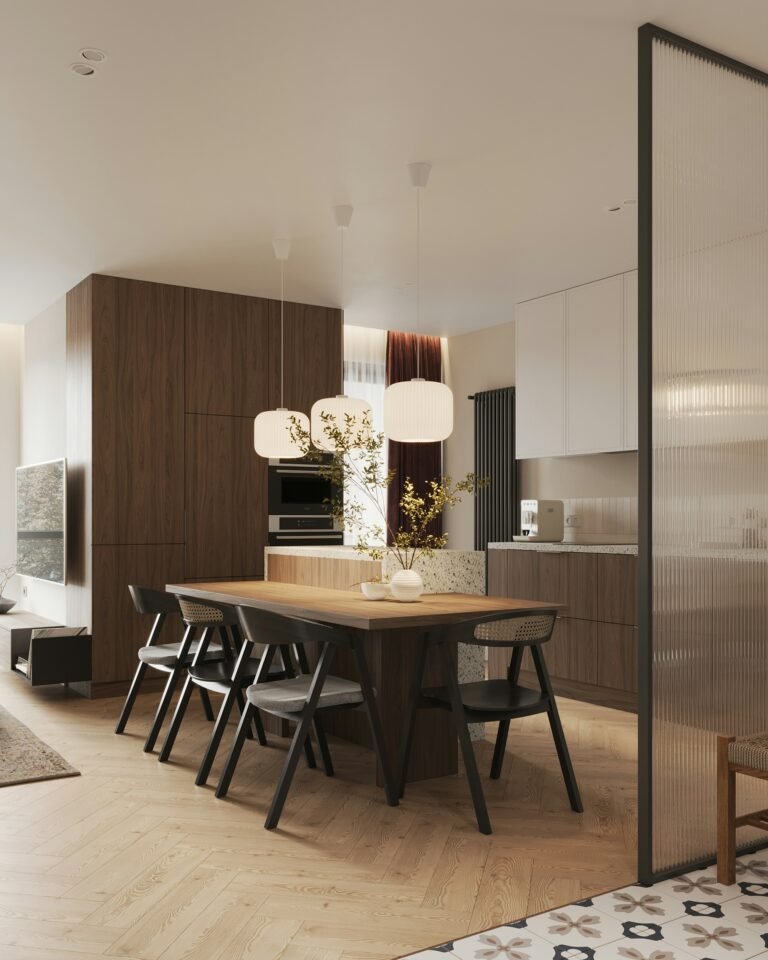
But its natural warmth works equally well with contemporary forms.
A simple teak table with clean geometry can feel distinctly modern.
A sculptural chair can reveal the grain through a minimal silhouette.
A large architectural piece can use teak as a visual anchor.
The material does not determine the style.
Design does.
More Than a Material
For us, teak represents a relationship between nature, craftsmanship, and time.
It is not perfectly uniform.
It does not need to be.
Its grain, texture, and subtle imperfections are what give it character.
And when shaped into thoughtful furniture, those qualities become part of the space itself.
At Internesia, we work with teak not to hide its natural character, but to reveal it.